 MENU
MENU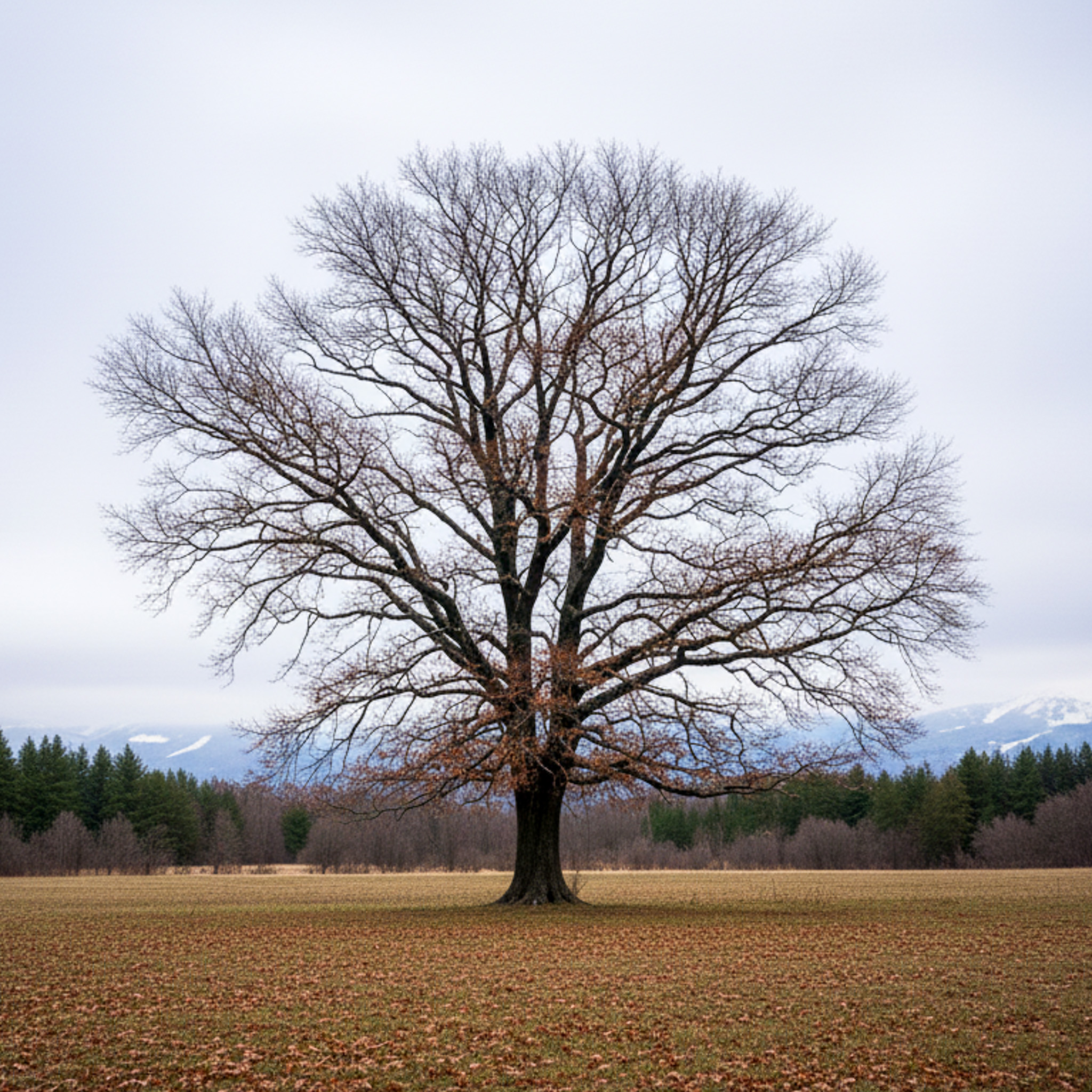
Winter may feel like the slow season for your landscape, but when it comes to tree work, it can actually be one of the most strategic times of year, especially for tree removals. Many homeowners and property managers are surprised to learn that winter is not only a safe time to remove trees, but in many cases, it’s the best time to do it. If you’ve been debating whether a declining or hazardous tree should come down, winter conditions often make that decision clearer and safer.
During the winter months, trees enter dormancy. Leaves drop, growth slows, and energy is conserved. While this may make trees appear lifeless, dormancy creates ideal working conditions for arborists. Without foliage obscuring the canopy, our team has a clear view of the tree’s structure from top to bottom. This visibility makes it easier to identify cracks, deadwood, decay, weak branch unions, and other structural defects that may have been hidden during the growing season. Better visibility leads to safer planning and more efficient removals, particularly in tight spaces or near utilities and structures.
Ground conditions are another major advantage of winter tree removal. Cooler temperatures and reduced rainfall often result in firmer, more stable soil. Even in areas that don’t experience prolonged freezing, winter ground conditions typically mean less rutting, reduced compaction, and minimal disturbance to surrounding turf. Heavy equipment can operate more efficiently, and your property experiences less overall impact. Cleanup is also easier, leaving the site in better condition once the work is complete.
Removing trees in winter can also reduce stress on the surrounding landscape. Summer removals take place when trees are already under pressure from heat, drought, and increased pest activity. In contrast, winter removals occur when surrounding trees are dormant and insect populations are lower. This minimizes disruption to the ecosystem and reduces the likelihood of pests or disease spreading through fresh cuts or disturbed soil.
Safety is one of the most important reasons to consider winter tree removal. Trees showing signs of decline, such as dead or hanging limbs, fungal growth, cracks in the trunk, or shifting root plates, can become especially dangerous during winter storms. High winds, ice accumulation, and saturated soil can push compromised trees to the point of failure. Proactively removing a hazardous tree before severe weather arrives can help protect homes, vehicles, roadways, and people from unexpected damage.
It’s important to note that not every tree that looks rough in winter needs to be removed. Some species naturally appear sparse or stressed during dormancy, while others may be recovering from summer heat or drought. That’s why a professional evaluation matters. A certified arborist can determine whether a tree is truly hazardous or whether it can be managed through pruning, monitoring, or other care. At Everett Tree Service, our goal is always to recommend the safest and most appropriate solution for each situation.
When removal is necessary, winter also allows property owners to plan for the upcoming growing season. Once a tree is removed, there’s time to address stump grinding, site restoration, or future landscaping plans without competing with the busy spring rush. By the time warmer weather arrives, your property is already prepared for what comes next.
The Bottom Line
Winter is not just an acceptable time for tree removal, it’s often the most practical and proactive time. Improved visibility, safer working conditions, reduced impact on your property, and effective risk management all make winter removals a smart choice. If you have concerns about a tree on your property, Everett Tree Service is ready to provide expert assessments and dependable solutions backed by experience you can trust.


